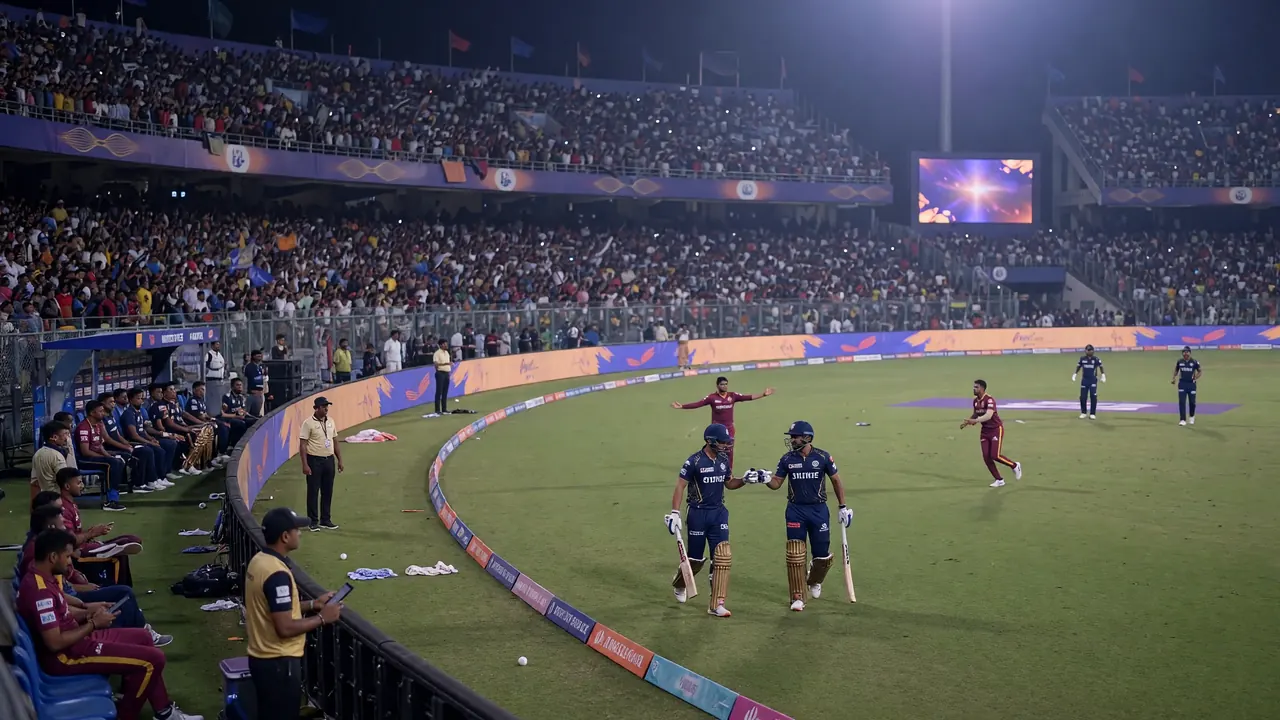
By late July 2026, IPL 2026 had already closed and the Impact Player rule sat at the centre of the post-season argument. Cricket Web published its retrospective on 26 July 2026, framing the season as one in which captains planned specialist swaps rather than emergency replacements, and in which fantasy analysts had to model two possible XIs plus the starting eleven before lock.
The numbers behind that debate were blunt. IPL 2026 produced 27,450 runs at a tournament run rate of 9.88, with 65 totals of 200 or more and 17 successful chases of 200-plus. First-innings averages sat around 192, only a shade above the previous season's 191, yet 200-plus scores rose from 52 to 65. The scoring environment did not merely drift upward; the structure of team selection changed with it.
For managers who build line-ups every match night, the practical question was never abstract. Once a captain could name a starting XI and up to five nominated substitutes, and once an incoming player became a full participant while the replaced player left the match entirely, the old habit of ranking eleven names by recent form stopped being enough.
How the rule actually worked in IPL 2026
The mechanics were precise. Captains named a starting eleven and could list up to five nominated substitutes. A nominee could enter before an innings, at the end of an over, after a wicket, or after a batter retired. The incoming Impact Player could bat a full innings or bowl a full quota. The player replaced took no further part and could not field as a substitute. The four-overseas limit still applied to the side on the field.
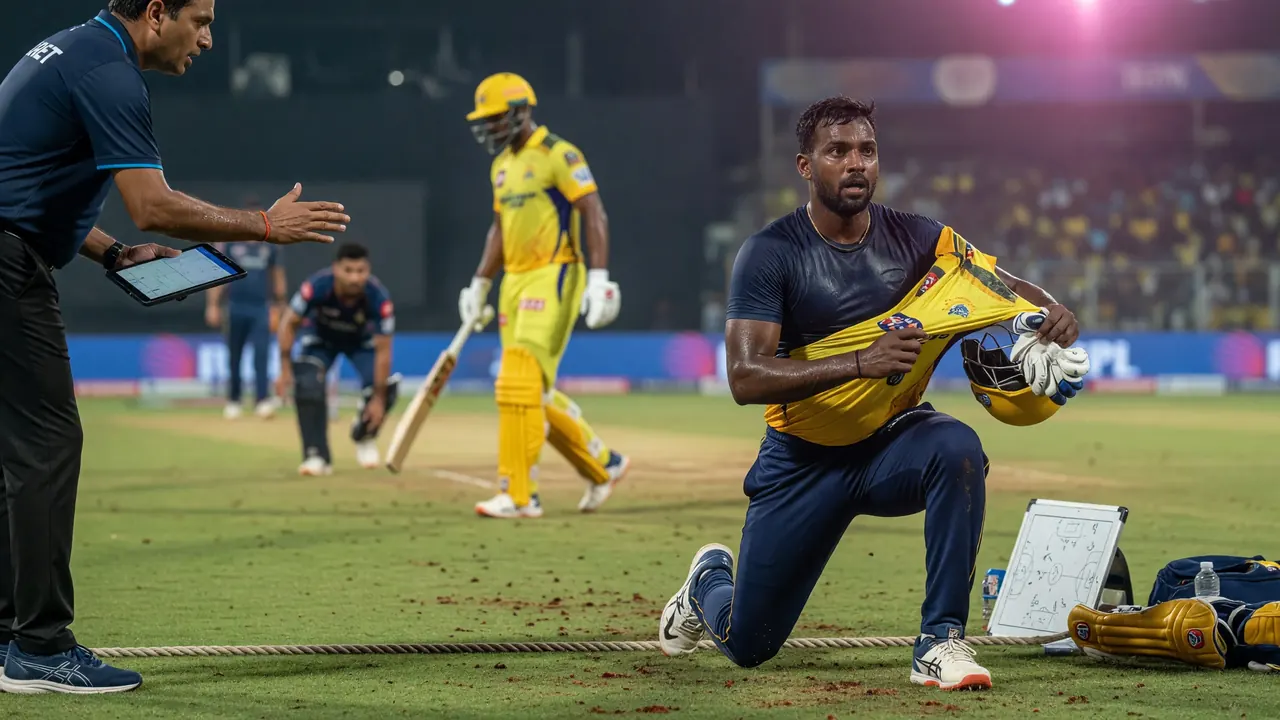
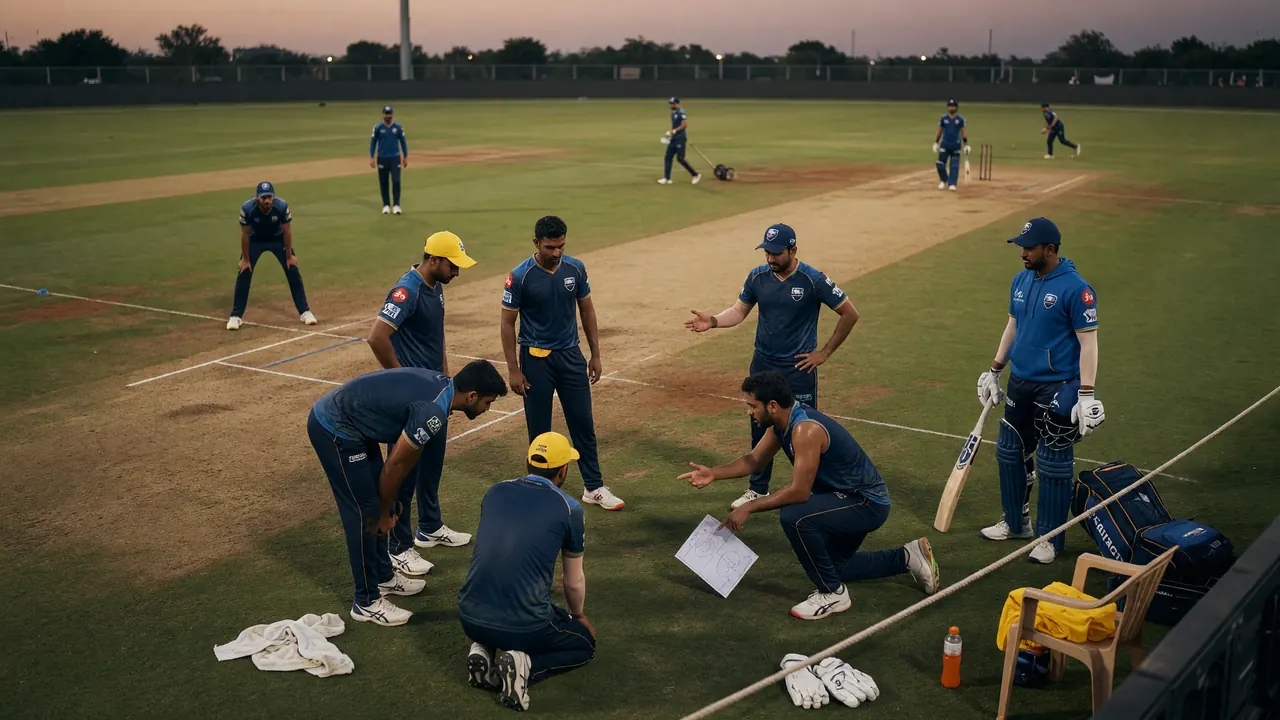
That package changed the match shape. Teams used the window for specialist swaps: an extra bowler after setting a total, or an extra batter when chasing. Cricket Web described many fixtures as planned twelve-player scenarios rather than injury-driven substitutions. The five-name bench list became a pre-toss document that opponents, broadcasters and fantasy managers all tried to read.
At the IPL 2026 captains' meeting, Axar Patel said sides preferred specialists over all-rounders under the rule. Shubman Gill went further, saying the regulation “robs them of the skill when it comes to team building.” Those remarks matter because they explain why balanced all-rounder stacks lost some of their old certainty. Captains were free to chase pure roles once the twelfth man could cleanly replace a mismatch.
The season numbers fantasy desks could not ignore
Tournament totals of 27,450 runs and a 9.88 run rate set the scoring baseline. Sixty-five scores of 200 or more, and seventeen successful 200-plus chases, meant high first-innings totals no longer closed the contest the way they once did. First-innings averages near 192 confirmed that captains were still happy to bat first and build large scores, but the chase data showed those totals were more chaseable than the previous cycle's 52 scores of 200-plus implied.
Fantasy scoring tracks those patterns in two ways. Batters who entered as Impact Players in chases often arrived with a settled target and a defined over window, which raised ceiling outcomes even when ownership stayed moderate. Bowlers introduced after a total had been posted often faced the powerplay or the death with a full quota available, which produced concentrated wicket spikes rather than long, low-economy spells.
The rise from 52 to 65 scores of 200-plus also forced a rethink of differential strategy. In earlier seasons, a team defending 185 could still look safe on many grounds. In IPL 2026, that same total sat below the denser 200-plus band, so managers who locked pure bowling stacks against middling totals regularly watched chase openers clear the required rate before the Impact bowling change arrived.
Named examples that rewrote ownership models
Vaibhav Sooryavanshi of Rajasthan Royals became the clearest batting case. Used as a batting Impact Player, he won the Orange Cap with 776 runs at a strike rate of 237.30 and scored 97 off 29 in the Eliminator. Those figures were not a quiet season of accumulation. They were a season-long argument that a player who entered through the Impact window could still dominate the tournament batting table if the role was clean and the match-ups were favourable.
Sameer Rizvi of Delhi Capitals supplied the rescue template. He hit an unbeaten 70 off 47 after Delhi Capitals had slumped to 26 for 4 against Lucknow Super Giants. The innings mattered for fantasy because it showed an Impact batter arriving into a collapsed chase still had enough overs and freedom to salvage a full-points haul. Managers who had written off the DC middle order at 26 for 4 lost the night; those who had protected Rizvi's role on the five-name list did not.
Virat Kohli of Royal Challengers Bengaluru offered a different batting pattern. He came in for Suyash Sharma against Lucknow and made 49 off 34 while chasing 147. The swap was not about inflating a total already out of reach. It was about protecting batting depth, then inserting a senior batter into a manageable chase once the bowling brief no longer required the replaced spinner.
On the bowling side, Prasidh Krishna of Gujarat Titans entered for Shahrukh Khan against Punjab Kings and took three wickets in two overs. That spell is the clean bowling Impact example from the Cricket Web record: a specialist quick introduced with a full quota available, producing a short, high-leverage burst rather than a four-over holding job. Fantasy line-ups that treated Krishna as a pure death or powerplay option only when he started the match missed the nights when the Impact window created the role after the toss.
What captains said about specialists and team building
Axar Patel's captains' meeting comment that teams preferred specialists over all-rounders distilled the selection logic. If a side could start with the bowling attack it needed and later add a batter, or start with batting depth and later add pace, the old premium on five genuine all-rounders softened. That did not make all-rounders worthless. It made their value more conditional on whether the Impact list already covered the missing role.
Shubman Gill's line that the rule robbed teams of team-building skill pointed at the other side of the same coin. Building an XI used to force hard choices between an extra seamer and an extra batter. The Impact window delayed that choice until after the toss and, in many cases, until after the first innings shape was known. Gill framed that delay as a loss of craft. Fantasy managers experienced it as a loss of pre-match certainty.
Sachin Tendulkar argued the rule should end, citing batting supremacy and weaker all-rounder development. His critique sat beside the scoring data rather than against it. A season with 65 scores of 200-plus and an Orange Cap won at a strike rate of 237.30 was always going to invite questions about whether the contest had tilted too far toward batting specialists who could be inserted without the fielding or bowling trade-offs of a fixed eleven.
Where the BCCI left the rule after 31 May 2026
BCCI officials had said in March 2026 that the Impact Player rule was locked until 2027. After the season, secretary Devajit Saikia said it would be reviewed. As of the season end on 31 May 2026, the regulation remained under review for 2027. The Cricket Web piece, published nearly two months later on 26 July 2026, treated that review as unfinished business rather than a settled repeal or extension.
That status matters for anyone preparing for the next IPL cycle. If the rule survives the review, the twelve-player planning model stays. If it is altered or removed, the premium on balanced all-rounders and fixed-role certainty returns quickly. Until the board publishes a final decision, the safest historical reading is the one the season already produced: captains used the window as a tactical instrument, not as a medical contingency.
Fantasy lessons that still hold after the season
Cricket Web's fantasy and prediction takeaways stressed role certainty over form. Reading the five-player substitute list mattered more than a single warm-up score. Toss-based swap plans, venue and dew, and the overseas constraint all shaped whether a nominated batter or bowler would actually enter. Royal Challengers Bengaluru's model of protecting batting depth and then adding specialist pace to defend became one of the cleaner templates for managers who wanted a repeatable process rather than a hunch.
In practical terms, that process looked like this. Before lock, map the five names and mark which two are pure batters, which two are pure bowlers, and which one is the flexible cover. After the toss, ask whether the team batting first is likely to post above the season's first-innings band near 192. If yes, raise ownership on the bowling Impact candidates who enter after the innings break. If the side is chasing, raise ownership on the batting Impact candidates who enter once a wicket falls or an over ends in the middle phase.
Overseas arithmetic still capped the fantasy upside. Because the four-overseas limit continued to apply, an Impact swap could not quietly create a fifth foreign starter. Managers who stacked five overseas names on the assumption that the Impact window erased the cap were simply wrong on the rules. The correct read was narrower: the window changed when an overseas specialist appeared, not how many overseas players a side could field at once.
Dew and venue still decided whether the bowling Impact arrived into favourable conditions. On grounds where the ball skidded under lights, a pace insertion after a large total often looked stronger on paper than it bowled in the second innings. On drier surfaces, the same insertion produced the three-wicket bursts that defined nights like Prasidh Krishna's spell against Punjab Kings. The rule did not erase conditions. It only gave captains a cleaner way to match a specialist to the conditions once the first innings was known.
Role tags also changed captain and vice-captain logic. A batter who might bat only four overs as a conventional finisher could suddenly receive a longer runway as an Impact entrant after a collapse, as Rizvi did from 26 for 4. Conversely, a bowler locked into the XI for balance might never see the overs that an Impact quick received in a two-over burst. Multipliers belonged on the player whose minutes were created by the swap plan, not merely on the player with the prettier recent average.
What the Orange Cap race revealed about role design
Sooryavanshi's 776 runs at a strike rate of 237.30, capped by 97 off 29 in the Eliminator, closed the argument that Impact batters were part-time scorers. When the role is designed as a full batting brief rather than a late cameo, the points ceiling matches or exceeds that of many conventional openers. Fantasy pricing systems that still treated Impact-tagged batters as discounted finishers misread the season.
The same lesson applies in reverse to bowlers. Krishna's three wickets in two overs did not require four overs of work. Fantasy formats that award heavy bonuses for wickets rewarded the Impact burst more efficiently than formats that overweight total overs bowled. Managers who only chased economy from full-quota starters left wicket upside on the table on nights when the specialist entered for a short, decisive spell.
Kohli's 49 off 34 in a chase of 147 sits between those poles. It was not an Orange Cap statement and not a three-wicket spike. It was a controlled senior innings created by a swap that protected batting depth until the chase required it. Line-ups that undervalued that kind of controlled Impact role because it lacked fireworks still needed those steady returns on weeks when differentials failed.
How managers should read a five-name list now
The substitute list is a tactical document. Rank the five names by the likelihood they enter after the toss, not by career average. A batting Impact who only appears when the side chases is a different asset from a bowling Impact who only appears when the side defends. Write both paths into the shortlist before the coin toss rather than scrambling after it.
Track who is displaced. If a spinner is the usual bowling Impact replacement, the batting side may be signalling a pace-heavy defence. If a batter is the usual bowling-side replacement after a total is set, the side is signalling that the posted score is the plan and the bowling attack will be refreshed. Those patterns repeated across IPL 2026 often enough to become readable.
Keep the all-rounder question honest. Axar Patel's remark about specialists does not mean all-rounders disappeared. It means their default ownership needs a second filter: does the five-name list already cover the missing discipline? If it does, the all-rounder's unique value shrinks. If it does not, the all-rounder remains the cleaner way to survive an unexpected toss result.
Readers who want a broader grounding in contest formats, salary-cap trade-offs and role-based drafting can explore fantasy cricket strategy and match-night team building alongside this retrospective.
The legacy of IPL 2026's Impact window
IPL 2026 left a clear tactical record. Captains used the Impact Player rule to stage specialist swaps. Scoring climbed into a band defined by 27,450 runs, a 9.88 run rate and 65 totals of 200 or more. Batting Impact examples such as Sooryavanshi, Rizvi and Kohli, and bowling examples such as Krishna, showed that the window created full participants rather than decorative substitutes. Senior voices from Gill to Tendulkar questioned what that did to team-building skill and all-rounder pathways, while the BCCI moved from a March 2026 lock through 2027 into a post-season review that was still open as of 31 May 2026.
For fantasy cricket, the durable takeaway is procedural. Role certainty, the five-name list, toss-based swap plans, venue and dew, and the overseas cap explain more of IPL 2026's points distribution than a simple form table ever could. Until the board settles the 2027 question, that procedural reading remains the most faithful way to use the season that has already been played.